Why students should calculate their own balances
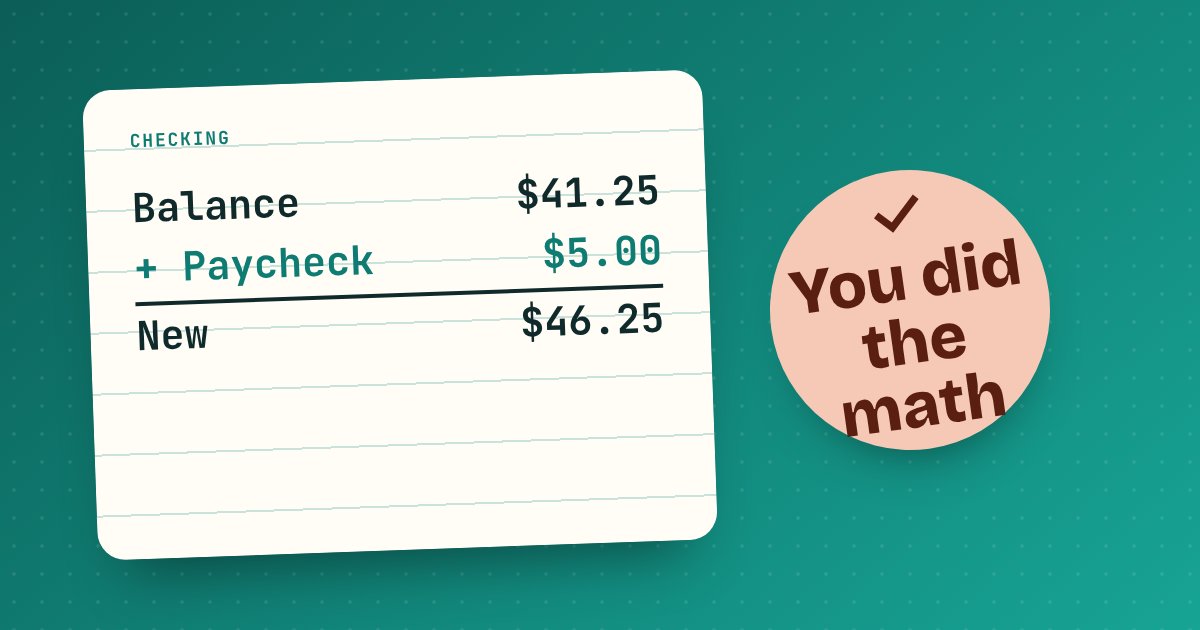
Most classroom money apps do the arithmetic for students. A bonus lands, the balance updates, and the student sees a bigger number. That's convenient, and it quietly removes the best math practice the economy had to offer.
Small problems, every single day
Think about how often class money moves: paychecks, bonuses, fines, bills, store purchases, savings transfers. If students record each change themselves, they solve a real decimal problem every time:
New balance: 41.25 + 5.00 = $46.25
No worksheet will ever be that motivating, because the answer is their money. Over a school year, those small problems add up to a lot of practice with place value and lining up decimals, and nobody has to assign it.
It covers more of the standards than you'd think
- Decimals every time money comes in or goes out.
- Integers the first time a bill takes a balance below zero. "I had $3.00 and rent was $5.00" is the friendliest introduction to negative numbers there is.
- Percents when a coupon takes 20% off, or when savings earns interest.
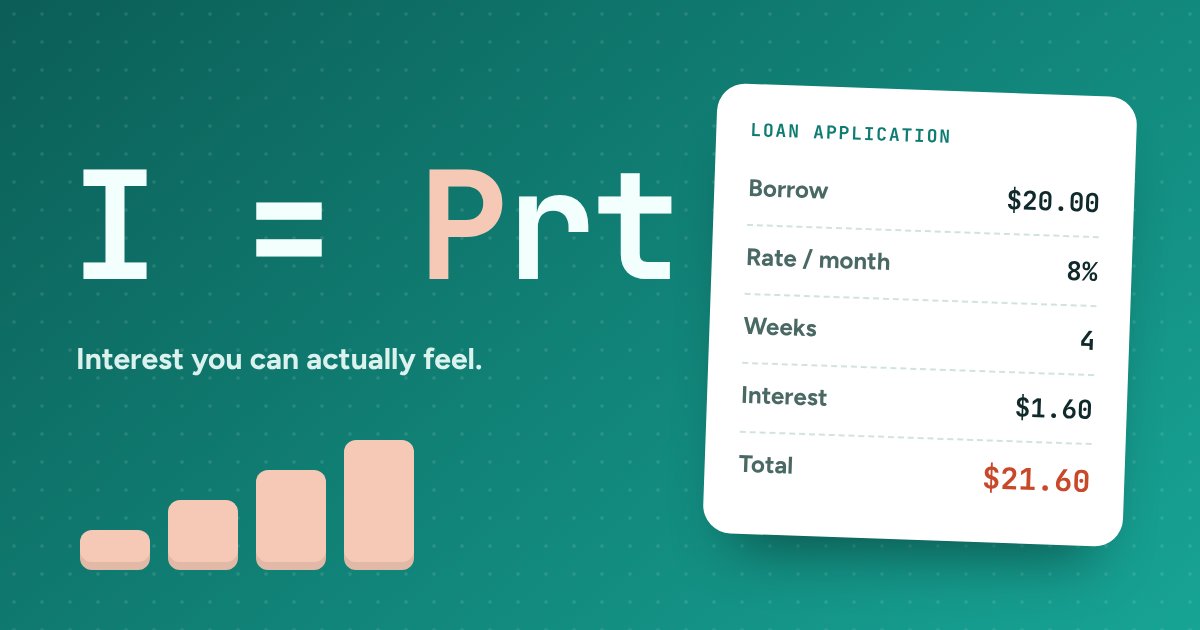
- Expressions and formulas when students figure loan interest with I = Prt before they borrow.
Mistakes are cheap here
A wrong answer on a test costs points. A wrong answer on a balance costs nothing except a second try, which is exactly the low-stakes practice that builds fluency. A good setup lets students retry, gives a hint after a couple of misses (line up the decimals; money in adds, money out subtracts), and doesn't let the money count until it's right. That last part matters: if students can skip the math and still spend, most will.
Keep the check fair for every student
Some students have an accommodation that means they shouldn't have to compute every balance, or they're absent the day a paycheck arrives. The fix is to make the math check adjustable per student, and to let the teacher record a pending item for someone when it makes sense. Everyone stays in the economy; the practice stays where it helps.
How to make the habit stick
- Start on the first payday, while numbers are small and friendly.
- Record oldest first. Balances build on each other, so the order matters, just like a real checkbook register.
- Block spending while money is pending. It's the strongest motivation you have.
- Celebrate accuracy. A badge or a shout-out for 10 correct calculations turns bookkeeping into something to brag about.
Want to feel it from the student side? The demo on the Cashroom home page is the exact step students do for every transaction. Try getting it wrong twice.
Keep reading
 5 min
Teaching simple interest with classroom loans
I = Prt sticks when it's a student's own loan. How to set up class loans, the worked examples, and the rounding question students always ask.
Read it
 6 min
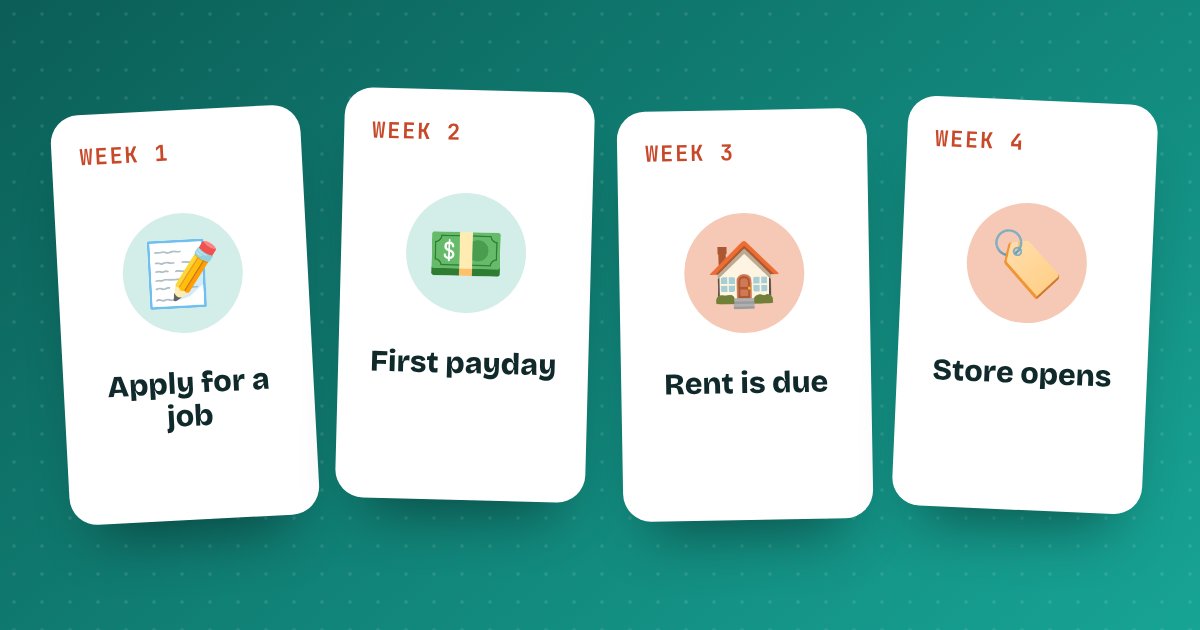
How to start a classroom economy in middle school: a four-week plan
Roll out jobs, paydays, bills, and the store in layers so 12- and 13-year-olds actually buy in, plus the three numbers to settle before day one.
Read it