How to start a classroom economy in middle school: a four-week plan
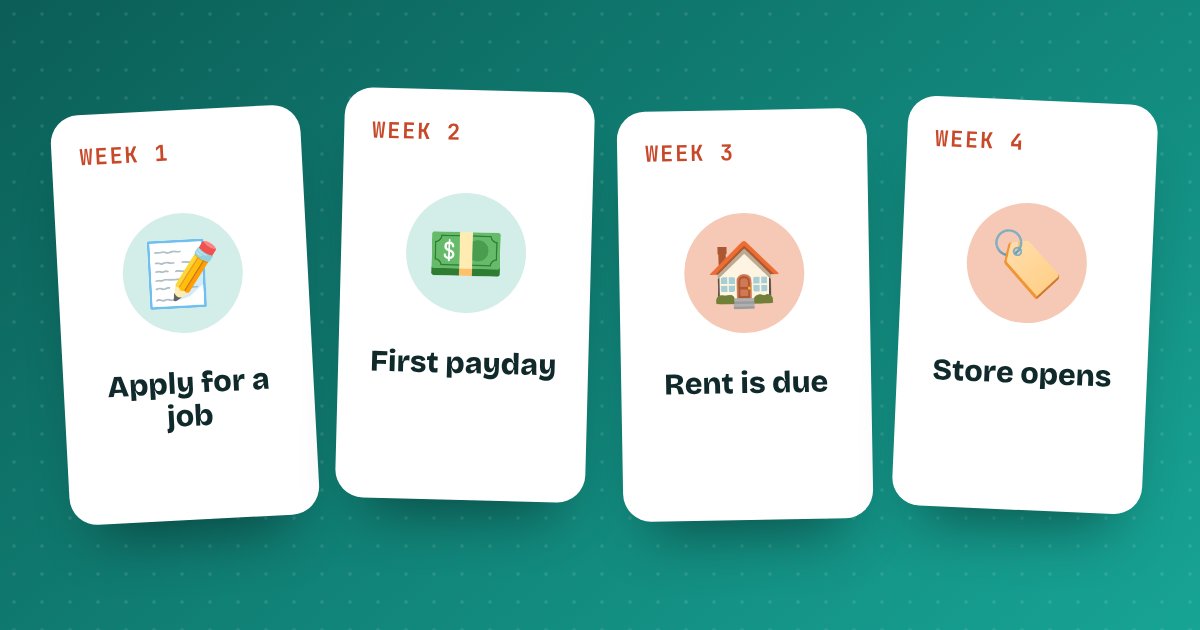
Elementary students will work for a sticker. Middle schoolers want to know what the money is for, whether it's fair, and whether you'll actually follow through. A classroom economy works great at this age, as long as it's launched like a real system and not a gimmick.
Here's a plan that rolls it out in layers over four weeks, so each piece makes sense before the next one shows up.
Before week one: settle three numbers
Most classroom economies that fall apart do it over money math the teacher made up on the fly. Decide these on paper first:
- What a paycheck is worth. Pick a number that's easy to add, like $5.
- How often payday comes. Weekly gives students more practice and a faster feedback loop.
- What a month of bills costs. Keep it well under a month of pay. If a basic paycheck is $5 a week, $10 a month in bills leaves half of every month's pay to save or spend.
Store prices follow from those numbers. A small reward should cost about what a student can save in a couple of weeks; a big one should take a few months. Our economy planning sheet walks through it.
Week 1: sign in and meet the money
Keep the first week about the system, not the stuff. Students get their accounts, learn where their balance lives, and see the job board.
- Show what the money is for: jobs pay it, bills take it, the store and savings goals use it.
- Open the job board and post real jobs with real duties. Middle schoolers can tell a pretend job from a useful one. (Need ideas? Here are 24 that do real work.)
- Have students apply in writing. A short application asking why they want the job and what makes them good at it turns hiring into a writing task, and gives you something to decide on besides who raised a hand first.
- Hand out a few bonuses for the routines you care most about, so money shows up right away.
Week 2: the first payday
Hire from the applications, then run payday exactly when you said you would. Reliability is the whole game. If payday slips, students stop believing the money is real.
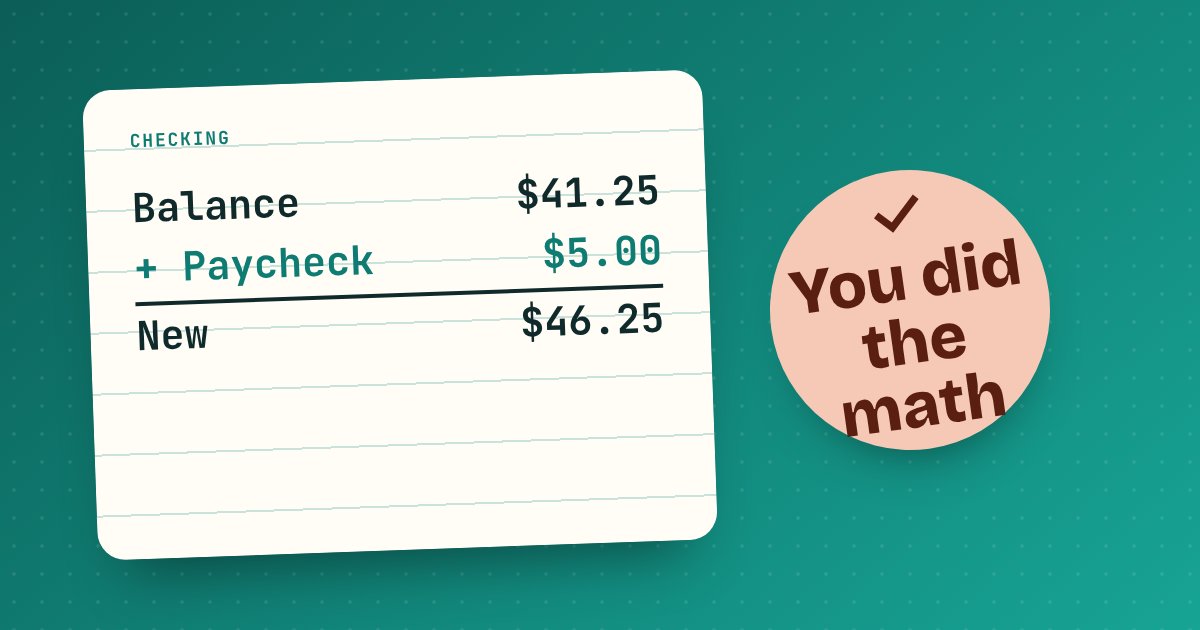
This is also the week students start recording their own money. When a paycheck arrives, they work out their new balance before it counts. It feels slow the first time. By the third payday it takes seconds, and students who struggle with decimals have had a dozen low-stakes reps.
Introduce savings now, while balances are small: a goal with a name and a number gives students a reason not to spend everything on the first thing they see.
Week 3: bills arrive
Rent shows up. This is where the economy starts teaching, because now money goes out on a schedule whether a student remembered or not.
Talk through what happens if a bill takes a balance below zero. In real life that's an overdraft or a missed payment, and it has consequences. In a classroom it can mean you can't shop until you're back above zero, and it can count against a credit score if you use one. Keep it matter-of-fact. The point is cause and effect, not shame. Every student should still belong in the room whether or not they made rent.
Week 4: open the store
By now students have saved a little and know what things cost. Open the store with a mix of cheap, middle, and big-ticket items. Privileges cost you nothing and are often what students want most: picking their seat, choosing the warm-up song, lunch with the teacher. (Here are 20.)
Approve orders before handing things over, so you stay in control of when rewards happen. If you're running an auction for a big prize, this is a fun week to do it.
After the first month
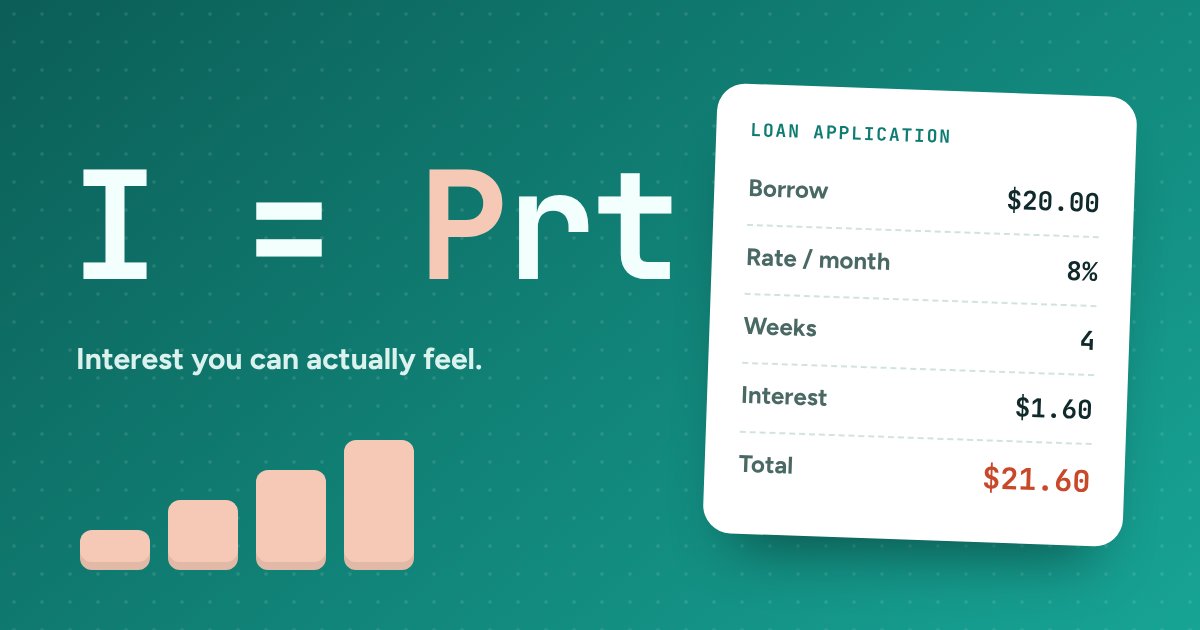
Once the basics run on their own, layer in the parts that make middle school math come alive: savings interest, then credit scores and small loans, once students have a few weeks of on-time payments behind them. A loan application where students calculate their own interest with I = Prt is a lesson that sticks, because it's their money. (More on that in teaching simple interest with classroom loans.)
Three things that keep it going all year
- Never skip payday. If you'll be out, schedule it ahead of time or automate it.
- Change prices rarely and announce it first. A surprise price hike feels like cheating, even when it's meant as an inflation lesson.
- Make students do the math. The economy is the motivation; the calculations are the learning. (Here's why that matters more than it sounds.)
If you'd like a tool that runs paydays and bills on a schedule and makes students record every balance, that's what Cashroom was built to do. But every step above works on paper too.
Keep reading
 5 min
Teaching simple interest with classroom loans
I = Prt sticks when it's a student's own loan. How to set up class loans, the worked examples, and the rounding question students always ask.
Read it
 4 min
Why students should calculate their own balances
When an app does the adding, a classroom economy teaches spending. When students do it, it teaches decimals, integers, and percents all year long.
Read it